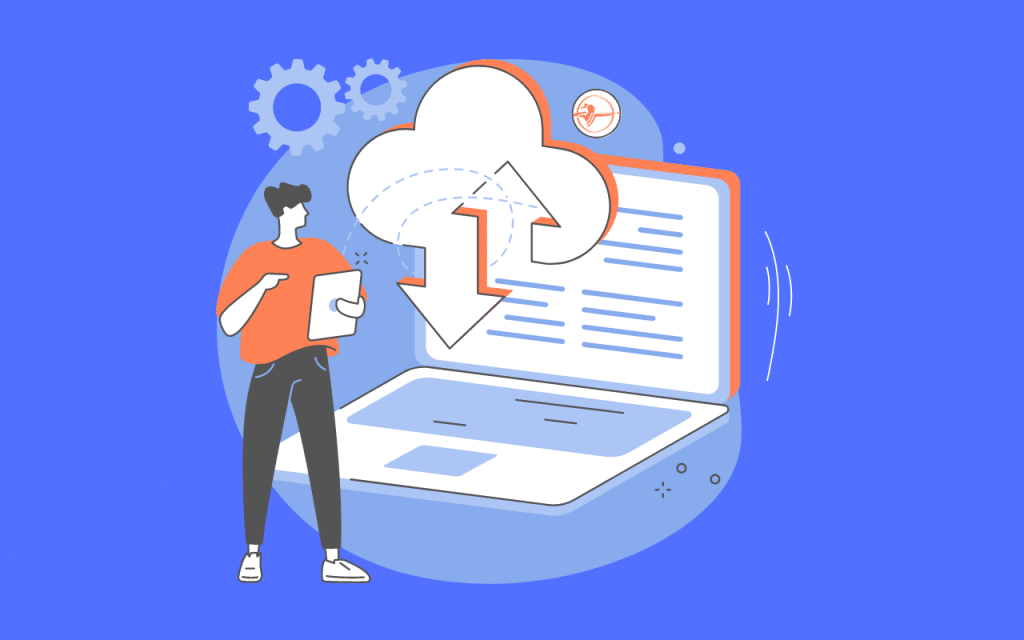
Web scraping is the process of automating the extraction of large volumes of data from sources on the internet. It enables businesses to collect key information from numerous sources for competitive advantage, giving them access to real-time, actionable insights much faster and more effectively compared to manual data gathering. For more details on how companies can leverage web scraping, refer to this Forbes Tech Council article.
There are many reasons a business might want to conduct a web scraping project.
Firstly, for price monitoring and comparison. Due to competitor tracking of the pricing strategy, e-commerce websites are scraped by businesses, thus enabling real-time view of insights to tune their pricing models. This becomes particularly handy when a retailer wants to keep up with the ups and downs in his market. For more information, take a look at our guide to Web Scraping for Price Comparison.
Web scraping also makes market research considerably quicker. It helps businesses extract insights from competitor data, customer reviews, and industry trends to enable it to adapt its strategies to keep up or be ahead in the market.
Web scraping can be useful in smoothing the process of lead generation. It can help companies create targeted lists campaigns by gathering contact information from various business directories, social media profiles, or industry forums.
Companies can use web scraping to monitor its online reputation by collecting customer feedback, reviews, and social media mentions. This allows the business to respond to feedback, improving customer satisfaction.
All of these common uses for web scraping aim to increase the accuracy and reliability of data that can be extracted, allowing them to make strategic, data-driven decisions in a variety of different contexts. It’s changing the game.
Sandro says: “The ability to automate data collection allows companies to stay agile, and respond to market trends quickly.”
“There are so many uses for web scraping that will have a real positive impact on businesses, allowing them to make important strategic decisions whilst knowing that they are backed with data.”
Automation to save time
The biggest direct benefit of web scraping is saving time saved for businesses, through making the collection of data automatic and running it in the background.
Instead of employees having to physically trawl through websites and copy and paste the information they find, a web scraping tool can do this almost instantaneously before compiling and organizing it. This frees up employees for the more interesting analytical tasks, like decision making.
Not only is web scraping much faster, it also ensures that the data is up to date and uniformly recorded. It can also improve the accuracy and reliability of the data, as it removes the potential for human error.
Sandro says: “Automation through web scraping is a huge time-saver for businesses, allowing them to gather large volumes of data in a fraction of the time it would take manually.”
“Automating data collection through web scraping can boost productivity, reduces human error, and allows employees to focus on more strategic tasks. All this can reduce the amount of menial data tasks staff are expected to do, contributing to their overall happiness and wellbeing at work and ultimately driving better business outcomes.”
Scaling up data extraction
One of the most important benefits of web scraping is the sheer volume of data that can be extracted from a multitude of different sources within a very short time. Automated web scraping has made collecting a wide range of data varieties from multiple websites easier.
Through web scraping, all different types and formats of data can be extracted, from text to images to price information and reviews, from all types of platforms in minutes. This efficiency enables a business to keep pace with market trends, competitors, and customers in real-time.
Taking insights from this huge volume of data enables businesses to make informed, data-driven decisions. It can also help businesses identify trends and patterns which would otherwise have been unclear. Identifying these patterns can aid in refining strategies, optimizing operations, and fostering a deep understanding of the market in which businesses operate.
A travel agency, for example, might use web scraping to identify flight prices across hundreds of different airline websites. Using web scraping, it can gather real-time data on fluctuating prices across its competitors and adjust its own offerings accordingly
Sandro says: “The ability to extract large-scale data quickly through web scraping is a game-changer for businesses. Instead of spending days or weeks manually collecting information, companies can now access diverse datasets from multiple sources in minutes.”
Collecting accurate real-time data
Automation using a web scraper can massively improve the accuracy of the data extracted. Automation of the process eliminates human error, ensuring the information collected is more reliable and consistent. The better the quality of the data, the more a business can rely on it.
One challenge is that websites change over time, both in structure and in how they present data. To obtain the most accurate data, it is necessary that the web scraper remains up to date with the websites it is scraping. Frequent updates, which will often include code changes, are necessary to guarantee the long-term functioning of scrapers.
Using real-time data scraping, businesses will be kept in the loop with fluctuations in the market, competitor moves, and customer sentiment. This information will allow the company to respond quickly and implement necessary changes in its strategy.
If these needs are met, web scraping can provide businesses with accurate real-time data that promotes better analytics for decision-making.
Sandro says: “Web scraping automates the data collection process, ensuring a higher level of precision and reliability. However, as websites evolve, it’s crucial to keep web scrapers updated to maintain data quality.”
Cost effectiveness
Conventional manual data extraction requires a lot of man-hours, which can get very expensive in terms of personnel costs. Web scraping automates the process, dramatically reducing the labor, which directly translates to cost savings for businesses.
Web scraping tools also require little maintenance. Apart from the minor updates necessary for the tool to adapt to changing websites structures, the scraper does its work automatically and gathers its data without much need to continuously oversee it. This scales up its cost-effectiveness, with little manual interference necessary on an ongoing basis.
Sandro says: “Web scraping is a highly cost-effective solution for businesses, especially when compared to the time and resources needed for manual data collection.”
Specialist providers are here to help
A business’s needs can range from very simple one-time data extraction, to highly complex ongoing projects. For small-scale projects, online tools or pre-built scrapers should usually be enough to collect basic data in a short period. For more complex or larger-scale projects, however, custom web scraping solutions are the best option.
A bespoke solution will be able to handle a wider variety of data types, complex sites, and larger volumes of data. They can work well for businesses that need in-depth insight or require scaling of data scraping over a period of time.
The biggest concern when web scraping is keeping pace with regulations related to data privacy, platform terms of service, and best practice. By collaborating with a specialist, businesses can remove the headache of managing these ethical issues in-house. For more information, look at our comprehensive guide to ethical web scraping.
Working with a dedicated provider means that the scraping tool can be fine tuned according to the specific needs of the business. This involves designing web scrapers that will not only scrape the data you need, but will also follow all legal standards and ensure maximum compliance with ethical standards.
Sandro says: “Collaborating with a web scraping specialist ensures that businesses not only get customized solutions tailored to their specific needs but also stay compliant with evolving legal and ethical standards.”
How can I start my web scraping journey?
Newcomers looking to start a web scraping journey may feel a bit daunted, but with the right guidance and tools it can be a seamless process. Whether you are looking for competitive analysis, price monitoring, or lead generation, web scraping is an effective means of data gathering and analysis.
Here at Datamam, we offer bespoke web scraping services from small-scale customized projects to high-volume and complex data extraction. We guide you through each step of setting up the scraper to ensure it does the job, while conforming to various legal and ethical standards.
Sandro says: “Starting your web scraping journey is about more than just gathering data, it’s about doing it efficiently, ethically, and in a way that drives real value for your business.”
“Partnering with a specialist like Datamam ensures that your web scraping process is tailored to your needs while remaining compliant with regulations, setting you up for long-term success.”
If you’re ready to begin your web scraping journey or want to explore how it can benefit your business, Datamam is here to help. For more information on how we can assist with your web scraping needs, contact us.